


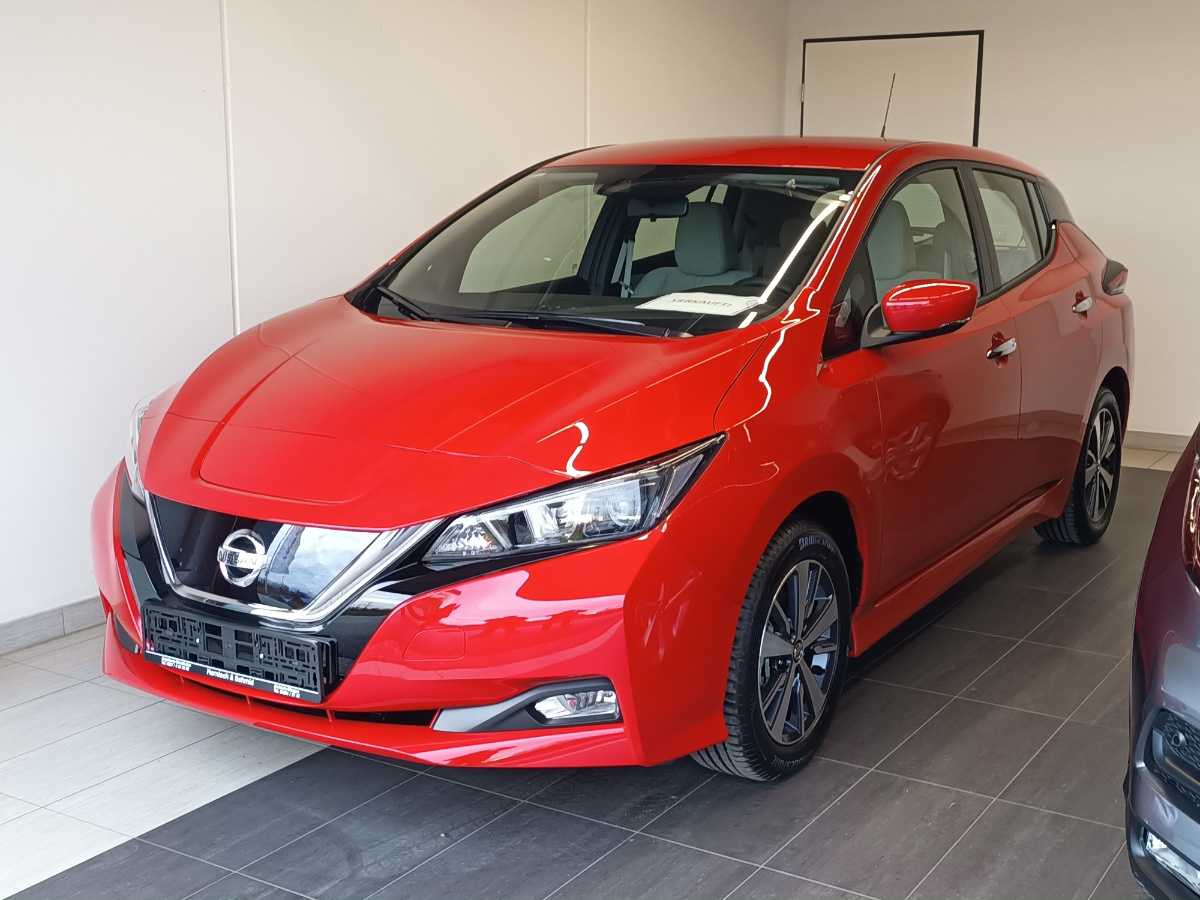
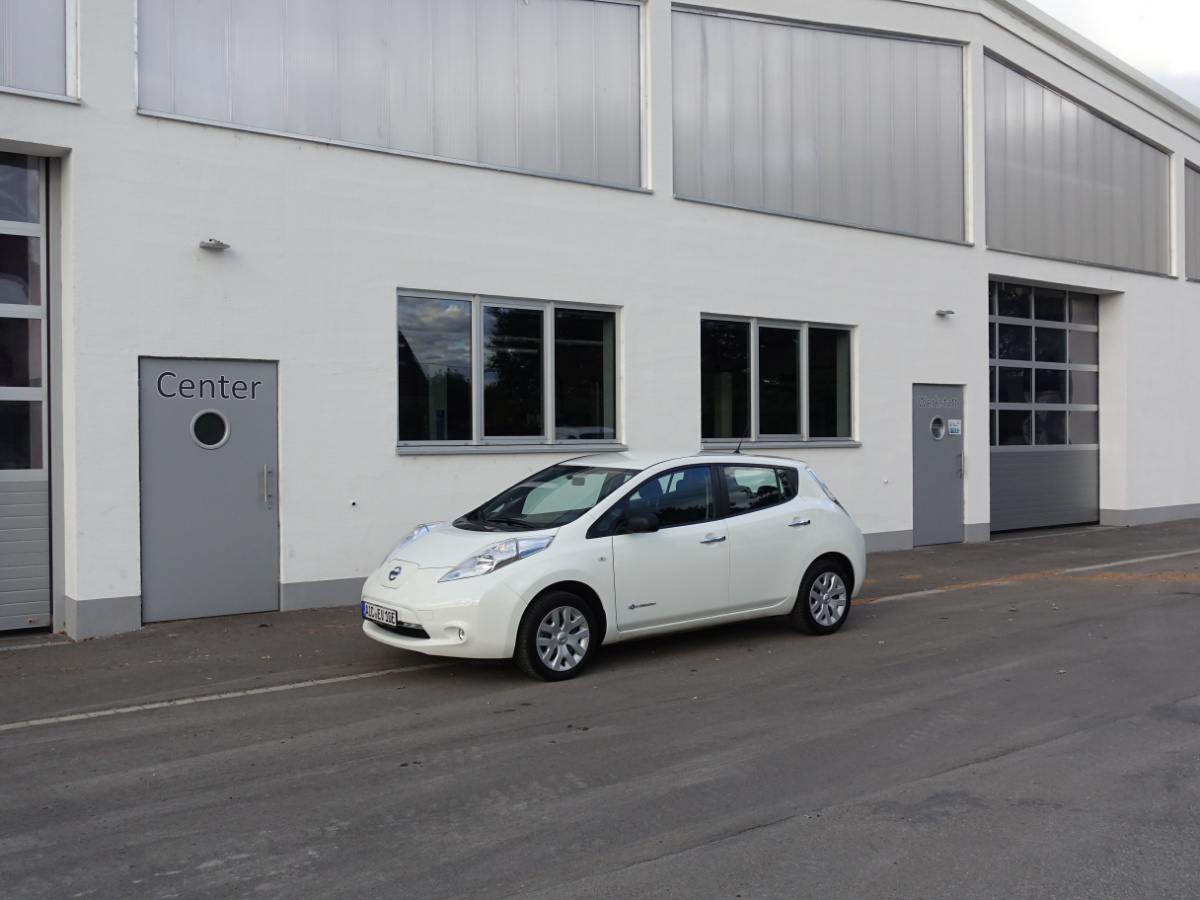
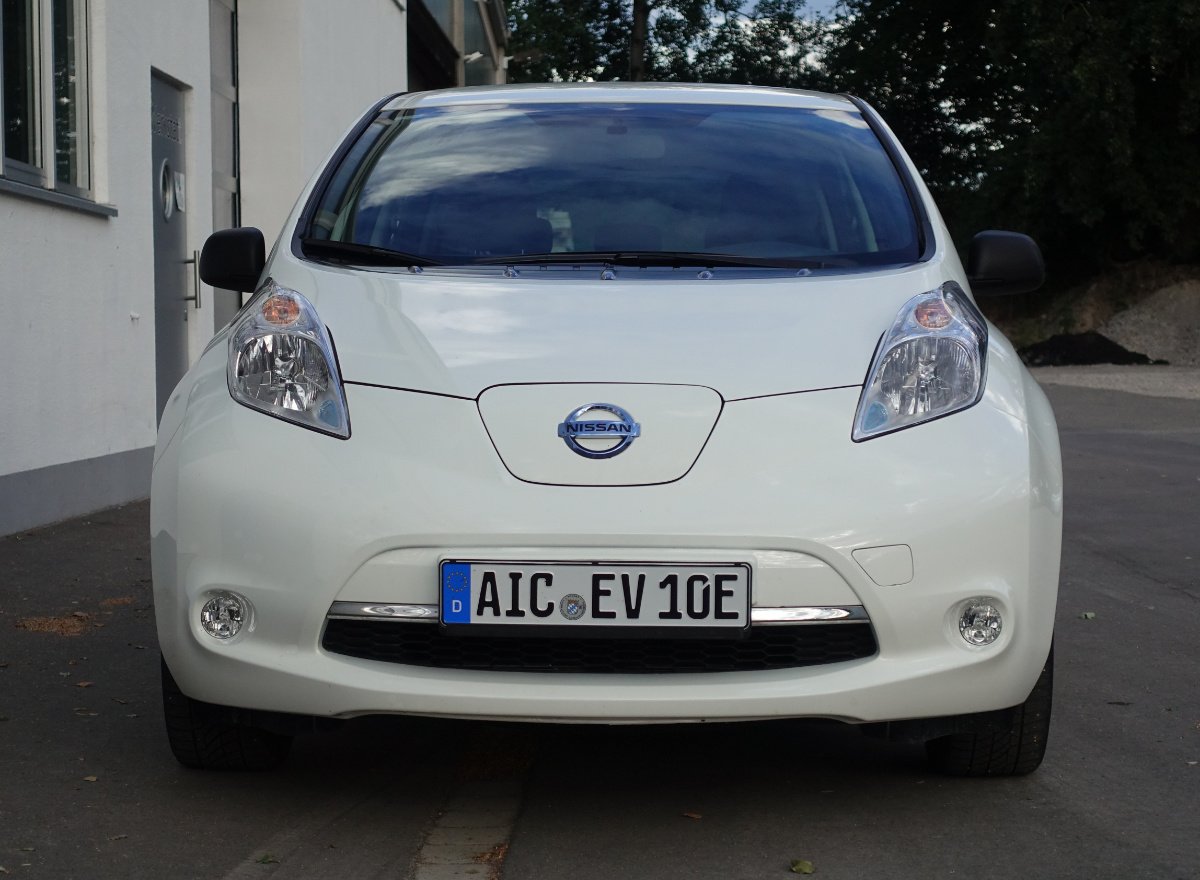
NEW ELECTRIC ADDITION to our fleet of service replacement vehicles for winter 2020/21
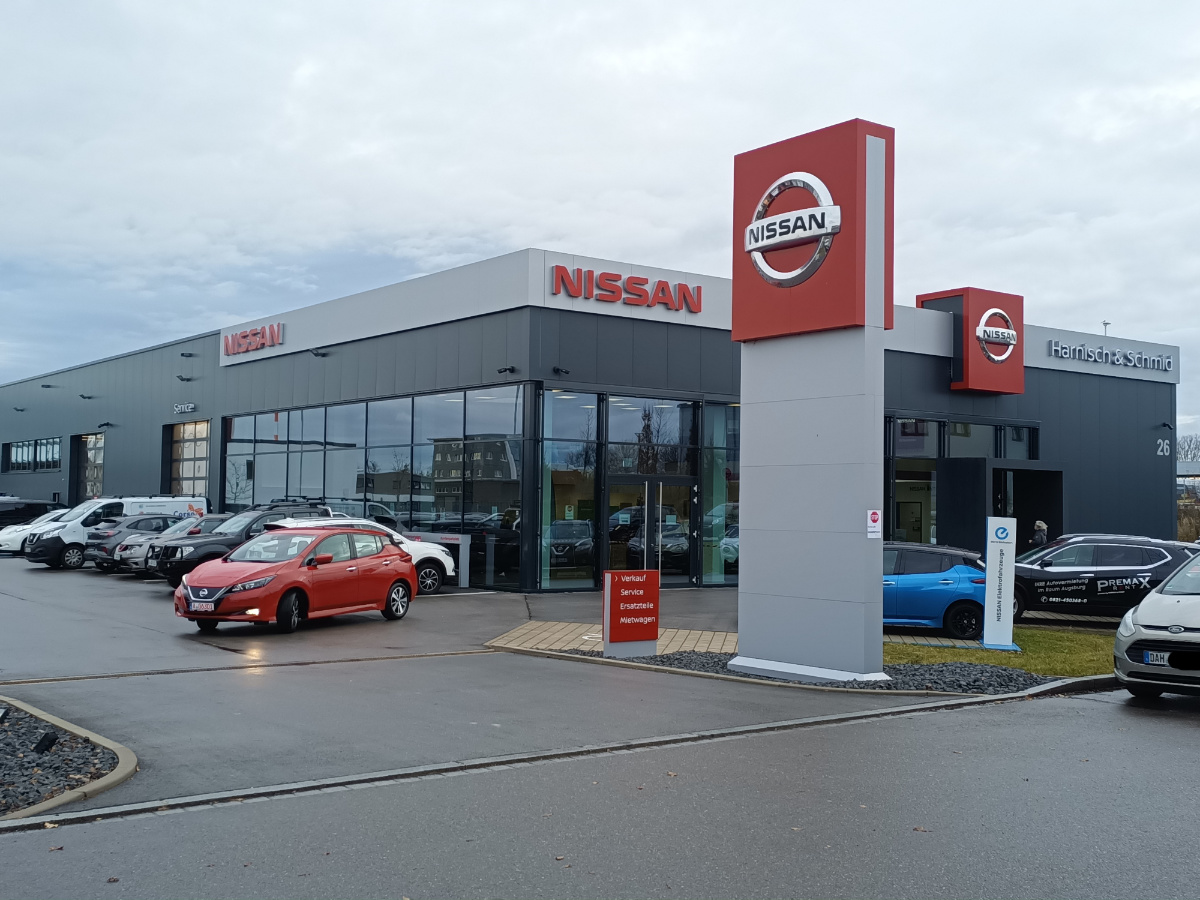
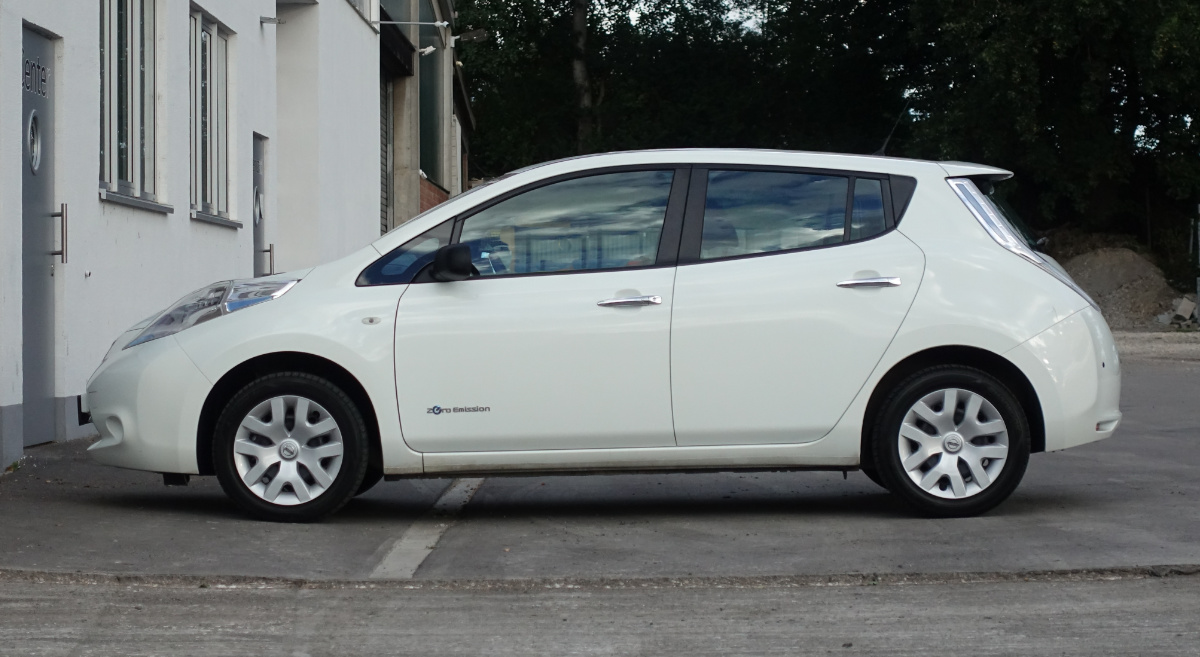
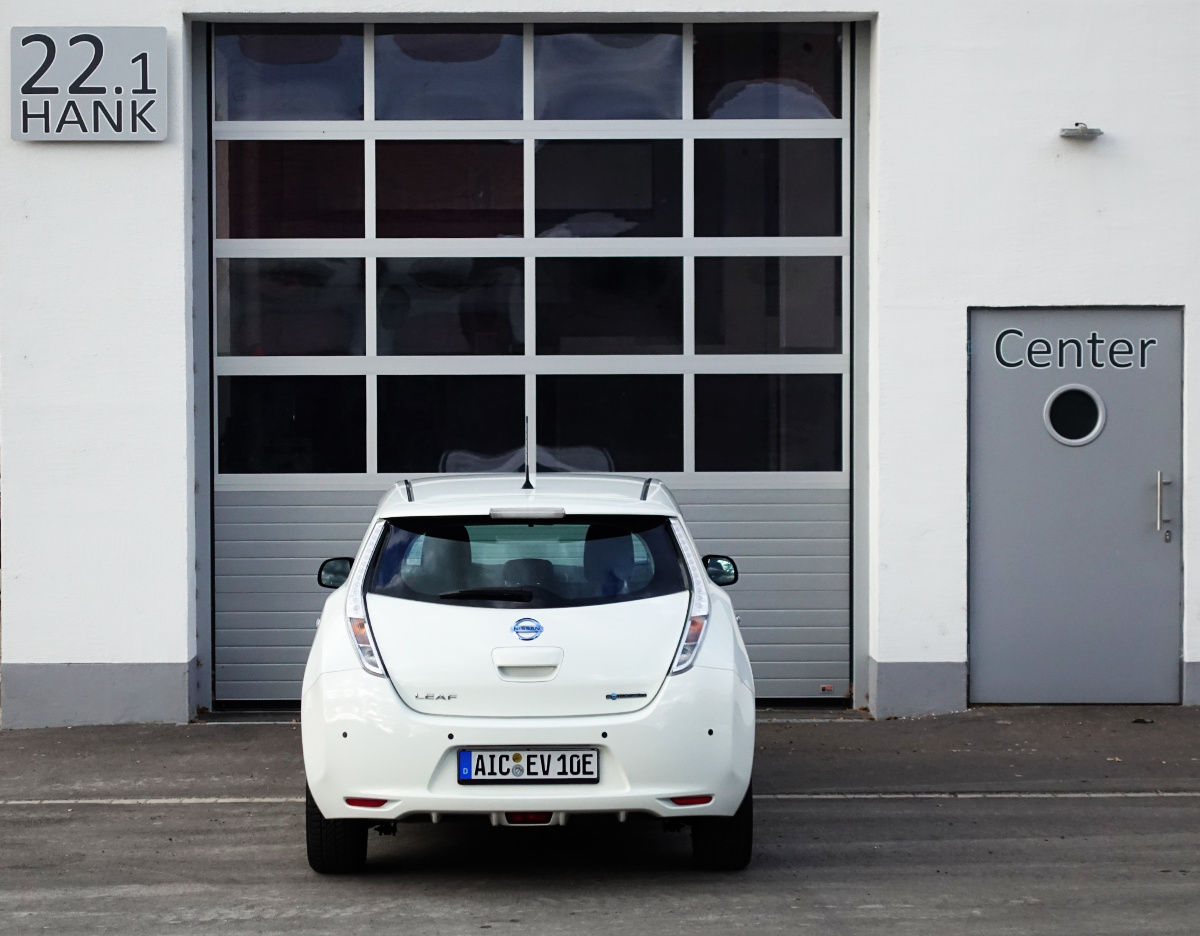
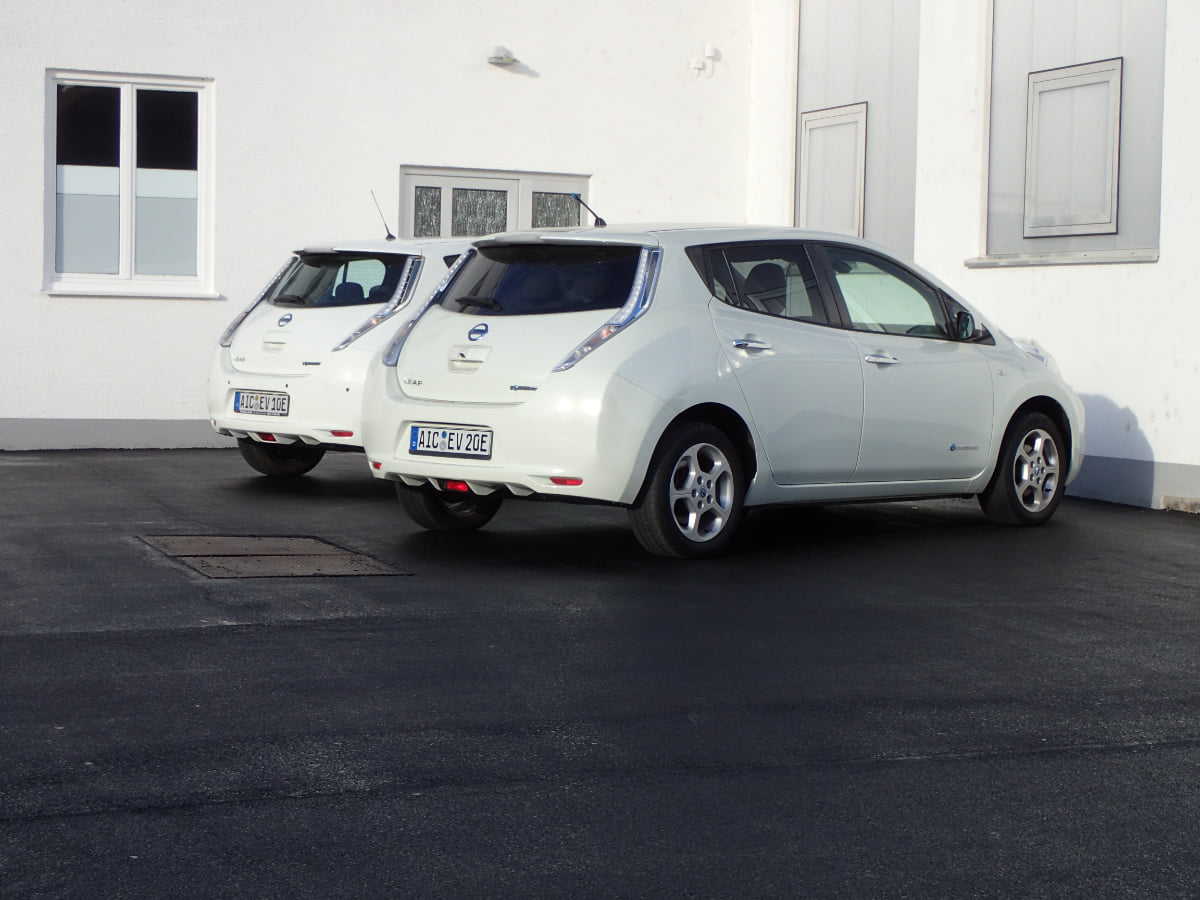
Supplied by Harnisch & Schmid in Gersthofen, our trusted NISSAN dealer.
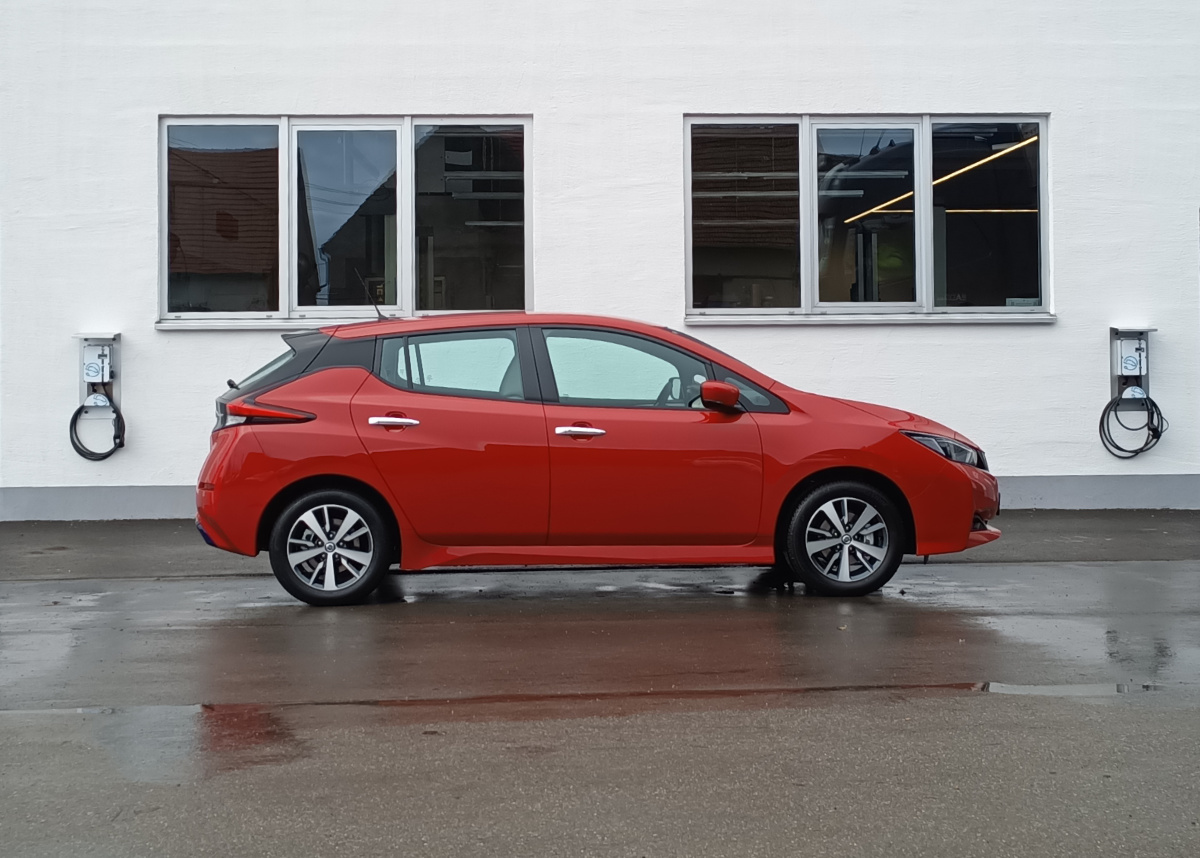
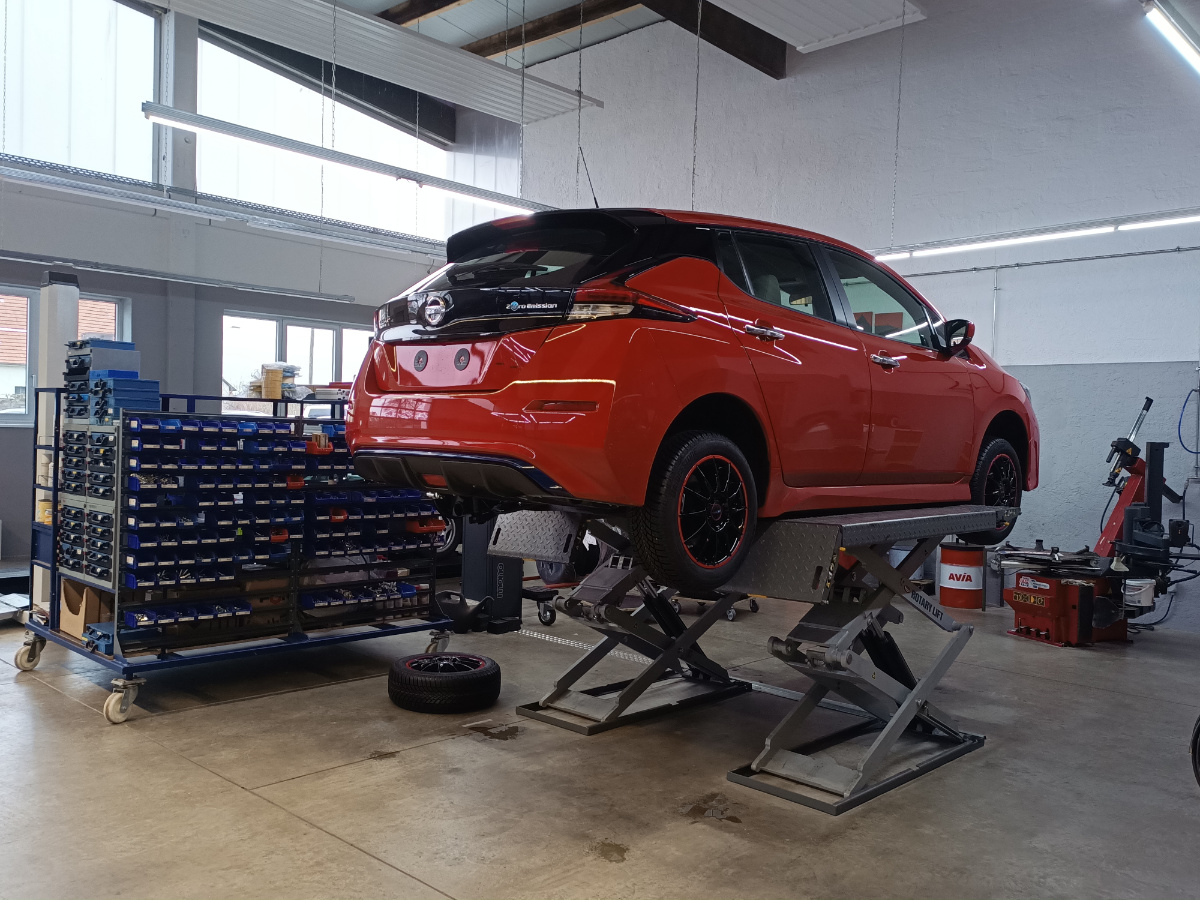
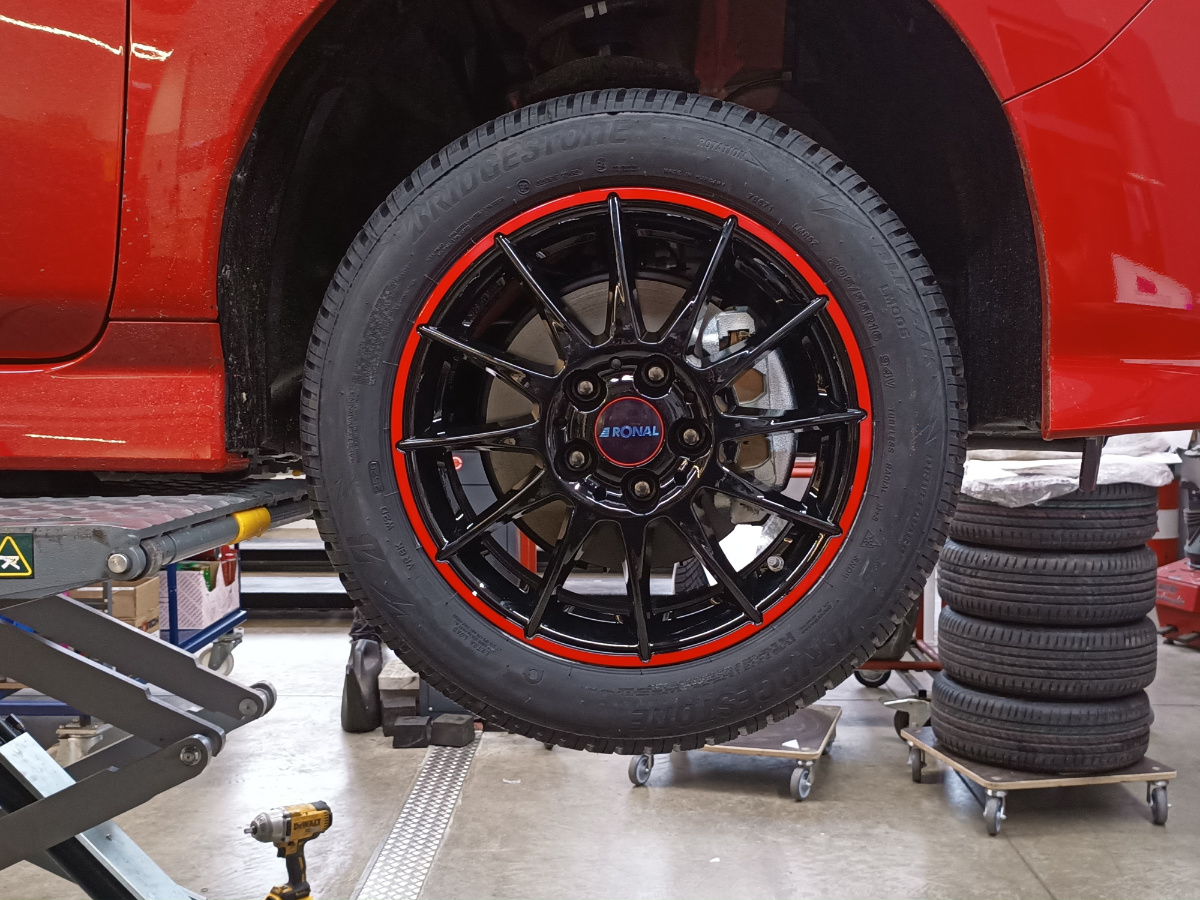
And first things first: straight onto the stage and fitted with new tyres to meet seasonal requirements. Multiple test winners and, for this application, our trusted tyres from BRIDGESTONE in the RunFlat version with TPMS (Tyre Pressure Monitoring System), mounted on stylish black RONAL wheels with colour-matched rims. I suppose that’s a bit of a ‘guys’ thing’. However, when ordering the new car, we also had the ladies in mind and ordered the ‘ladies’ package’ as well. Heated seats and steering wheel.
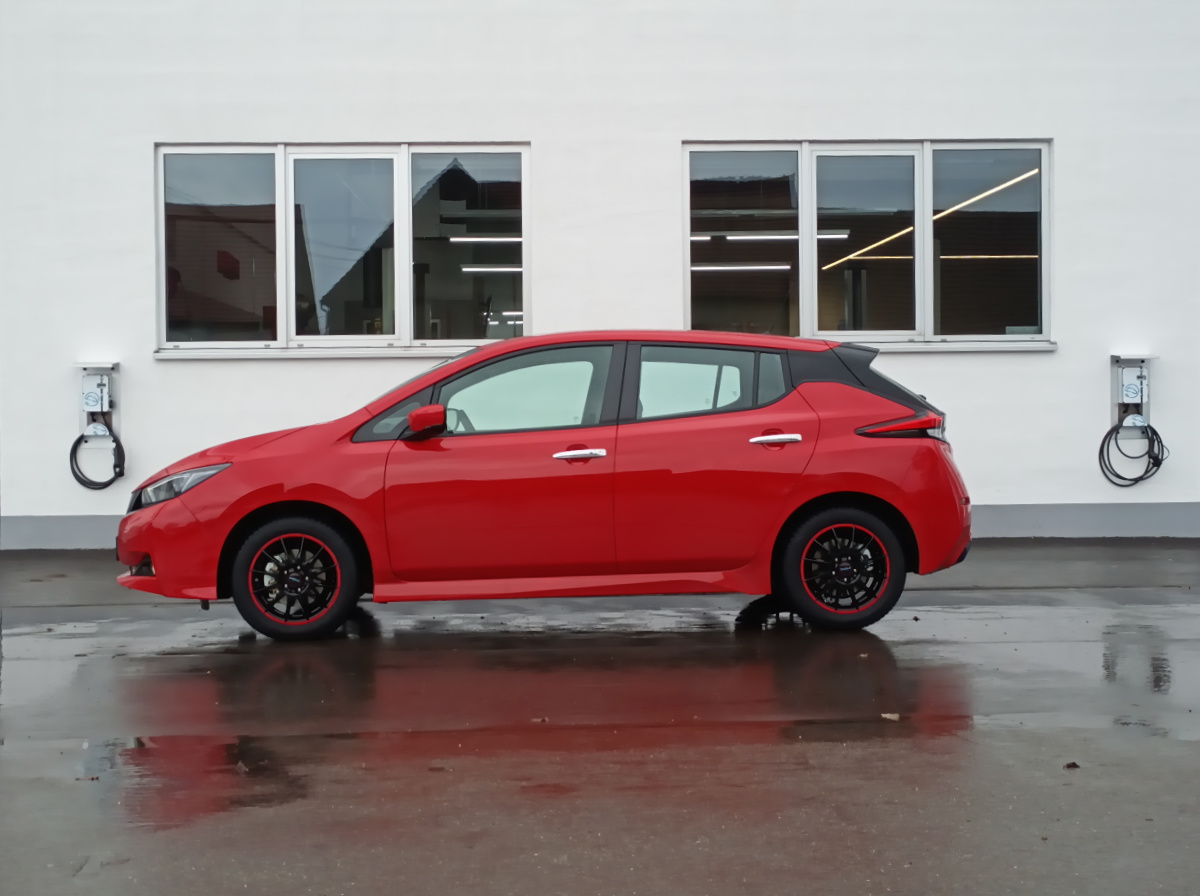 This latest NISSAN LEAF is fitted with a 40kWh drive battery and the electric motor delivers 110kW. Otherwise, the equipment leaves little to be desired. All the latest systems, from lane departure warning to E-Pedal and Google CarPlay, are on board and will thus ensure a safe and comfortable journey. So the plan goes.
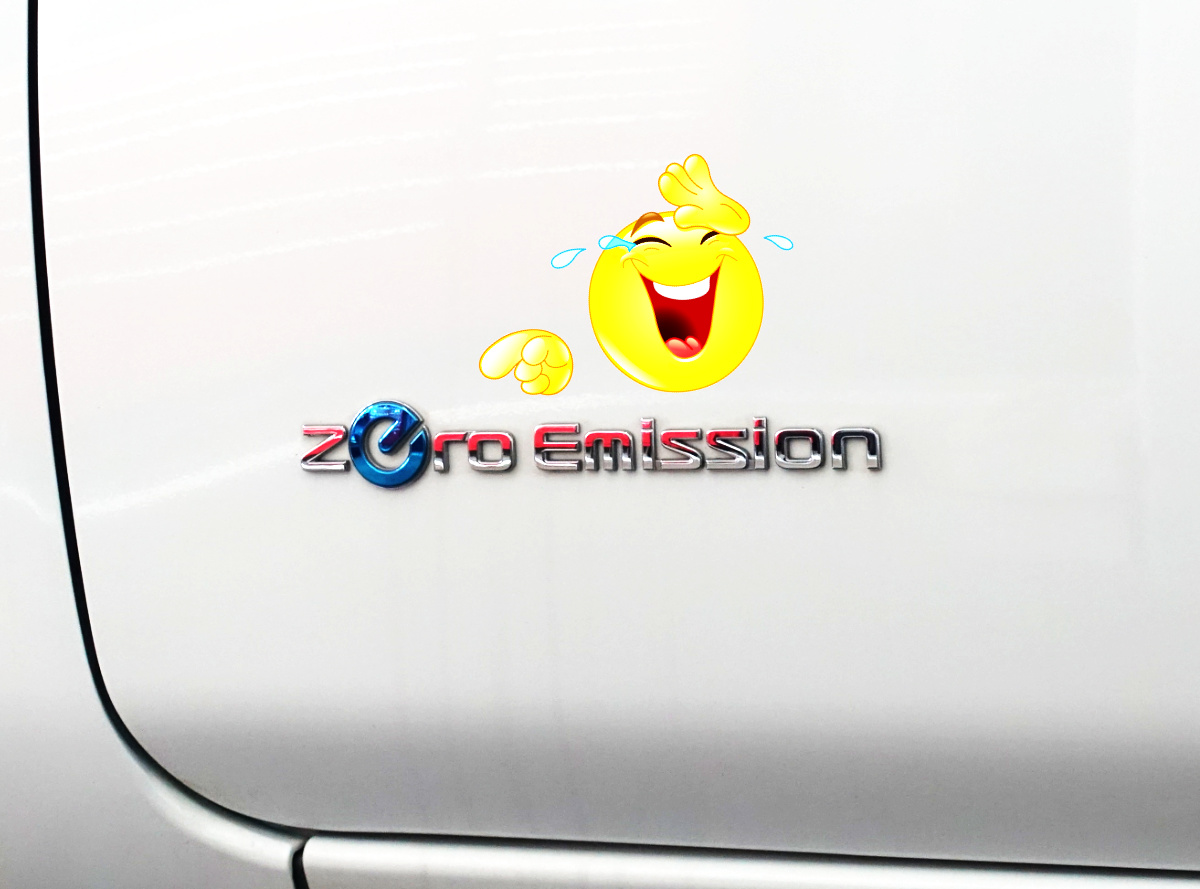
In my entirely personal and probably completely irrelevant view, the message of ‘ZERO EMISSION’ is one of the biggest – albeit readily accepted and socially fully endorsed – lies in the history of mobility. Or perhaps the term ‘zero’ merely reflects a snapshot in the life of an electric vehicle, whilst overlooking all the surrounding factors – from its manufacture, with all its raw material- and resource-intensive details, to transport routes, electricity generation, tyre wear, potentially increased recovery costs in the event of an accident, right through to the issue of disposal. A realistic version of “zero-emission” mobility would be the use of wood from a fruit tree that has borne fruit for decades and is now dying of old age; shaped using handmade stone tools, this would produce a wheel which, being made entirely from renewable raw materials, would also be 100% climate-neutral and recyclable. That, in my view, is what a “zero-emission” vehicle should look like. In my view, the effort involved in producing the lettering shown above in two-tone chrome-effect coated plastic and sticking it onto the acrylic lacquer surface using double-sided adhesive pads goes somewhat beyond the scope of “zero”.
Electric mobility.
Challenge, necessity, nonsense, long overdue, saviour of the world, environmental lie, stroke of genius, Silly idea, resource guzzler – whichever of these buzzwords you might apply to Tesla’s models, BMW’s ‘i’s, VW and Audi’s ‘e’s, or all the other ZOEs and various ‘e’s and ‘i’s, and whether you consider driving on electricity a good or bad thing, the fact is, these vehicles are out there in the world and someone has to repair them. For us, electric mobility is an attractive component of the mobility concept of the future. It is no panacea and certainly no complete replacement for everything that has gone before, but rather an element designed to make mobility more efficient in the future and, in some areas, more pleasant for people.
When we moved into our new premises in 2019, we made a conscious decision to support owners of electric vehicles as competent partners in the future. Even though pub wisdom and toilet-door slogans have repeatedly tried to tell us: “They don’t need customer service and never have to go to the garage again!”
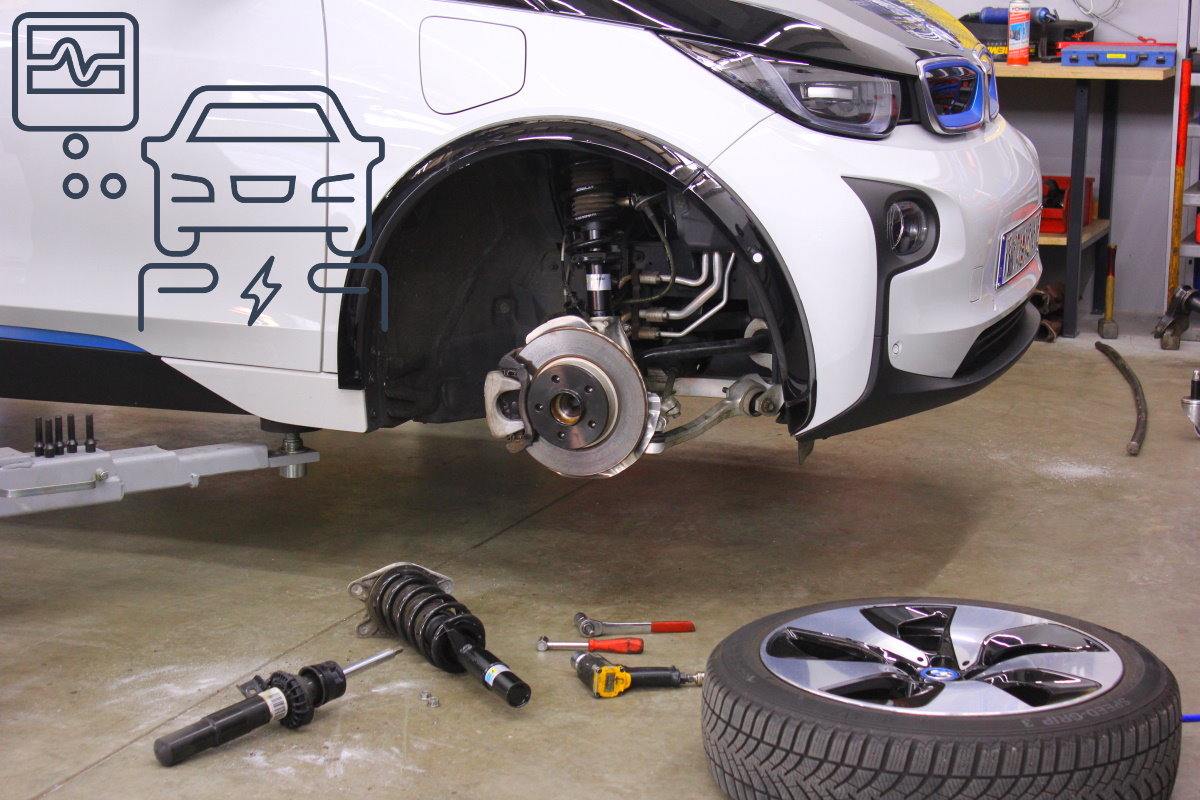
Completely wrong! From seasonal tyre changes, safety checks and air conditioning services, from pollen filters to bodywork damage and chassis wear, right through to diagnostics and repairs on the electrical systems, there is a wide range of tasks here too that need to be carried out competently, professionally and correctly. Even an ‘e-’ or ‘i-’ something doesn’t last a lifetime with the same suspension joints, nor is it spared from martens gnawing on rubber boots. It wears out wiper blades, occasionally burns out an (LED) bulb, and not every driver manages to navigate past all the pillars, posts and other road users in this universe without a scratch every time – so they need to be able to rely on a workshop that is open-minded and experienced when it comes to mobility. In other words: fear of ‘E’ is a poor advisor; the joy of tinkering, measuring, analysing and repairing exists in the electric world too! ...and we like it!
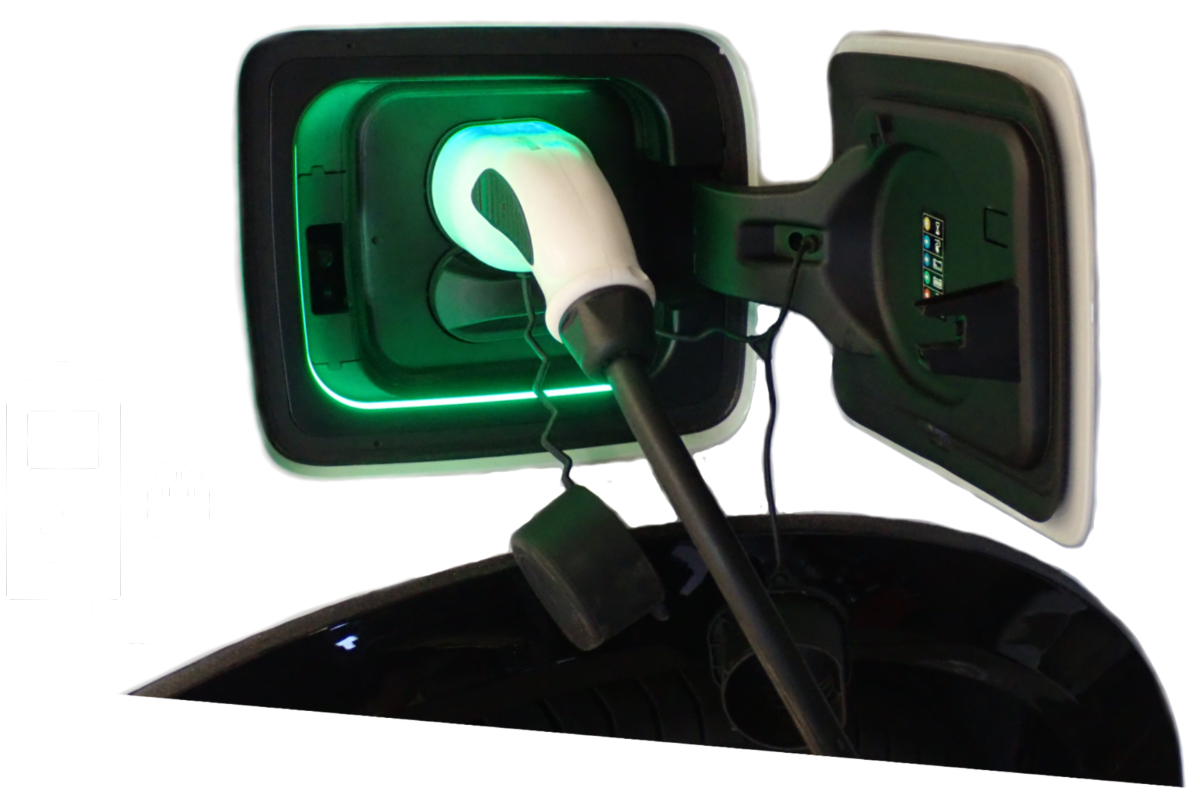
What do we offer?

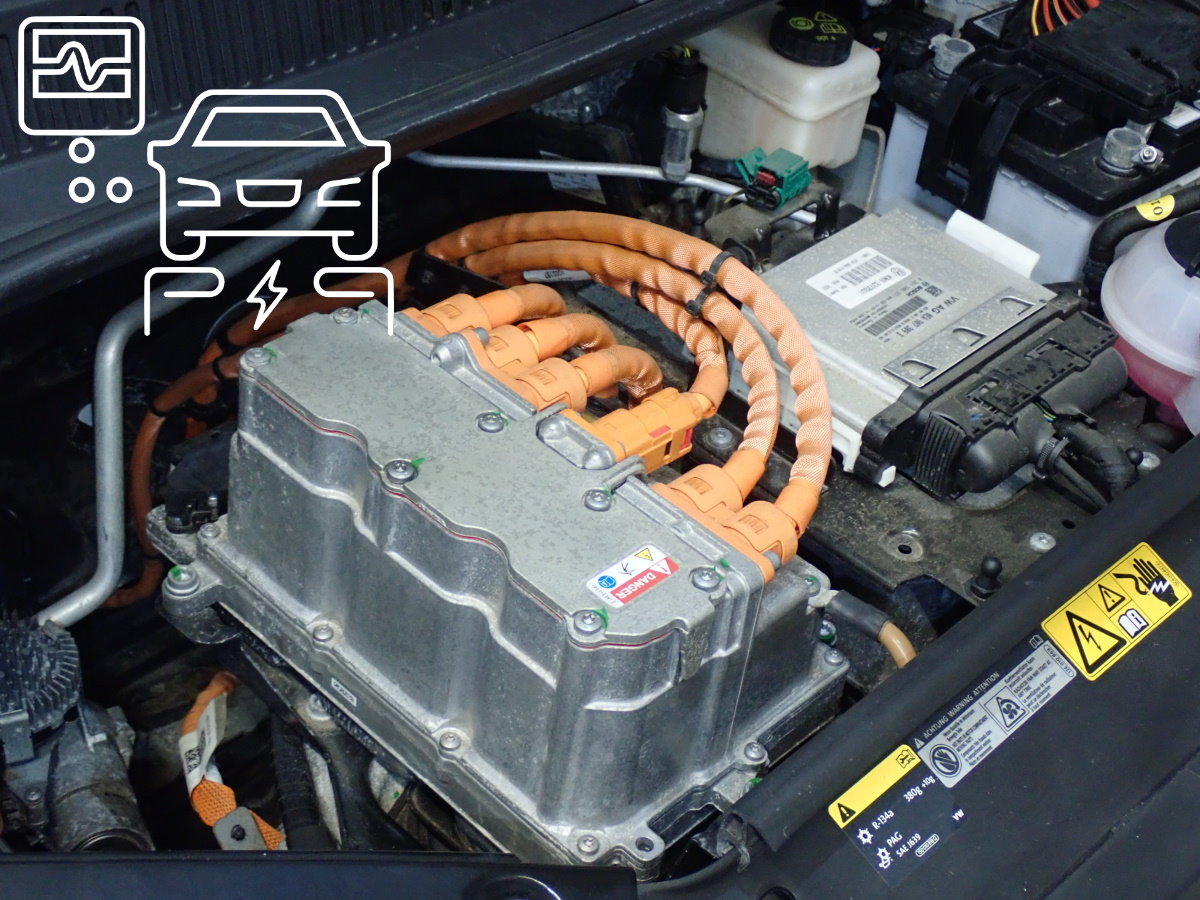
The law requires training before opening the bonnet of an electric car. In line with this rule, we have already obtained our first high-voltage certificates to establish the legal basis for working on electric cars.

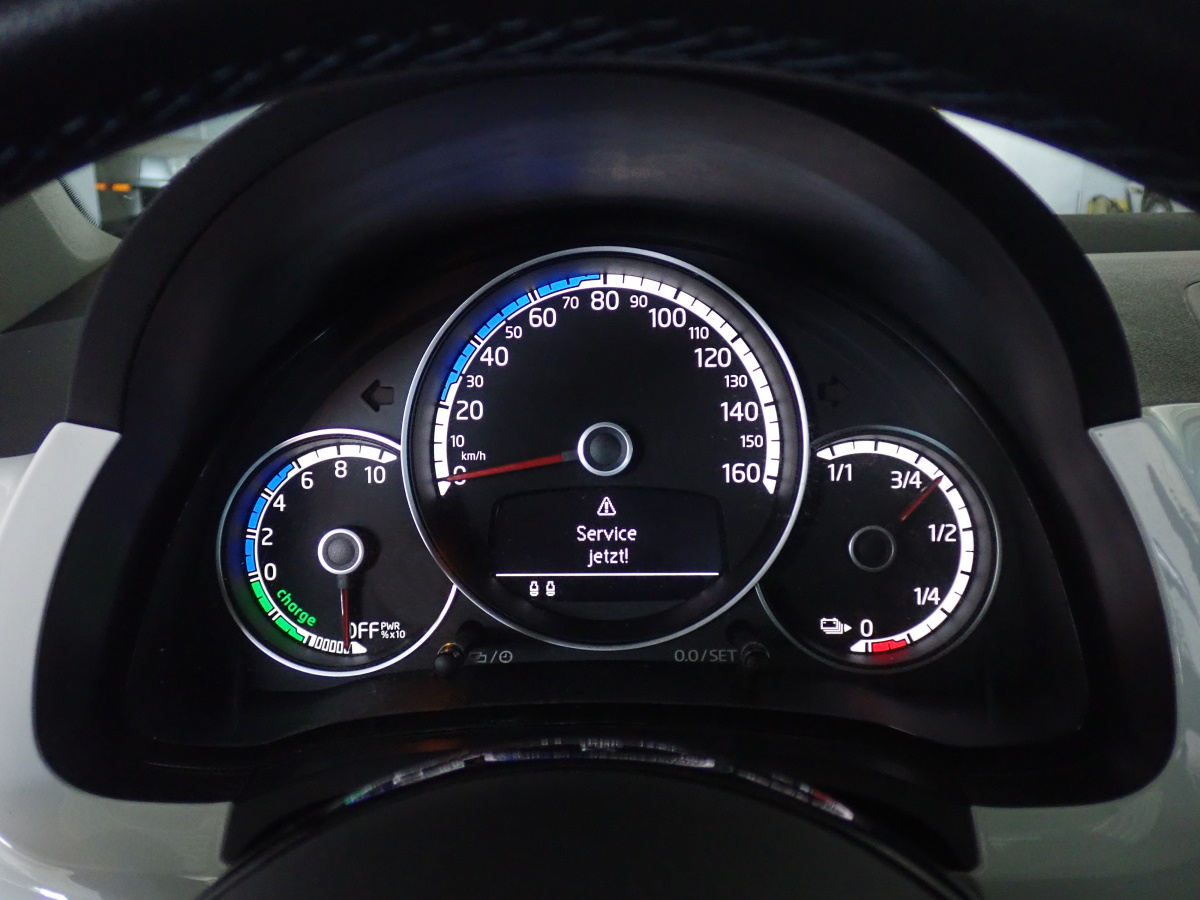
In January 2020, the opportunity arose to acquire a training vehicle, a first-generation e-up. We can now get to work on this to our heart’s content and in accordance with the rules of electric vehicle engineering right here in our workshop. This vehicle serves as a test subject for measurements and diagnostics, but also helps to break down barriers and overcome reservations.

We have also designated an initial workstation as a ‘high-voltage station’, where high-voltage-specific tools and measuring equipment are gathered. The software for our diagnostic testers has also been expanded to include analyses of electric vehicles.

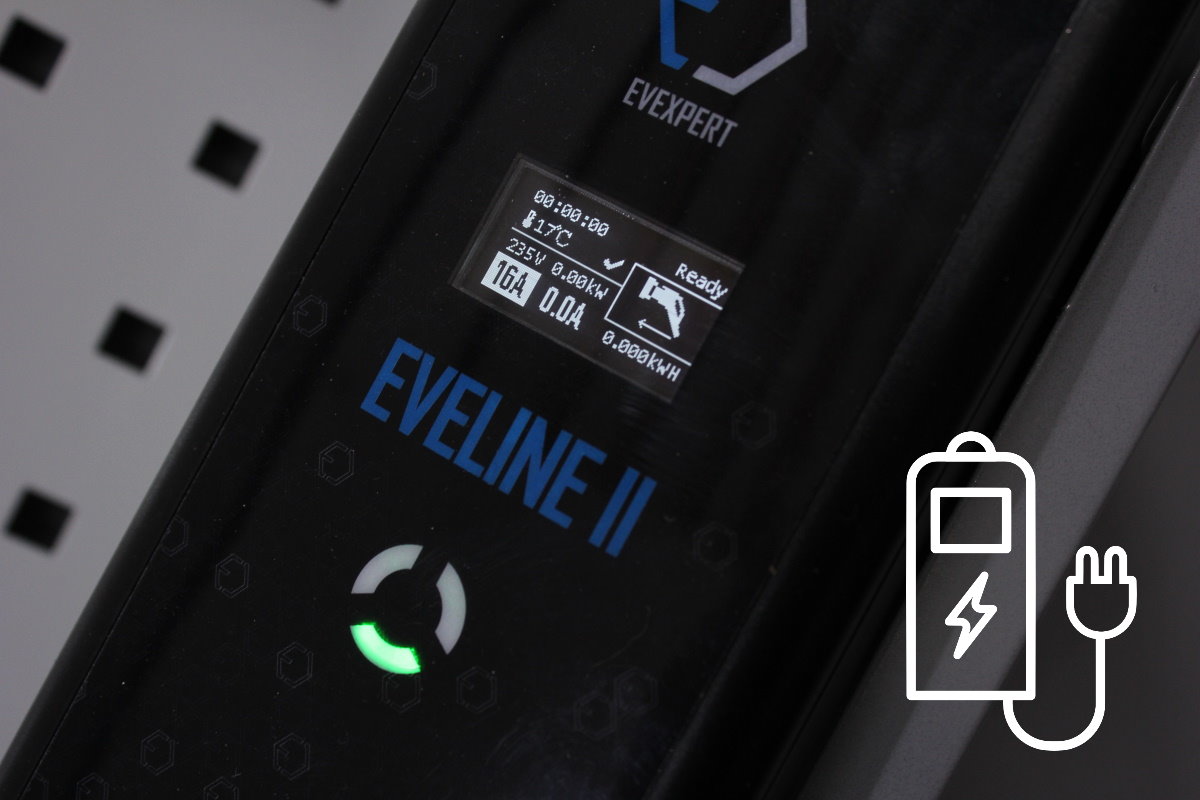
The first mobile charging station (EVE LINE II), adjustable to 6A / 10A / 16A, is ready for use, and cables have already been laid to the front of the building to connect two charging stations, known as “wall boxes”.

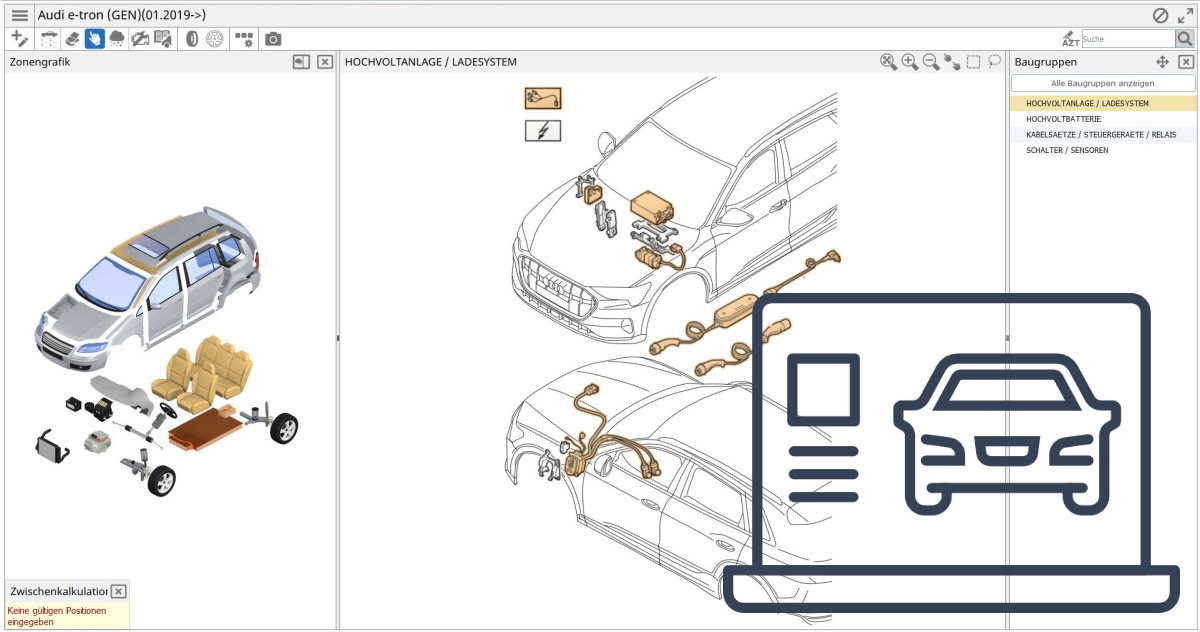
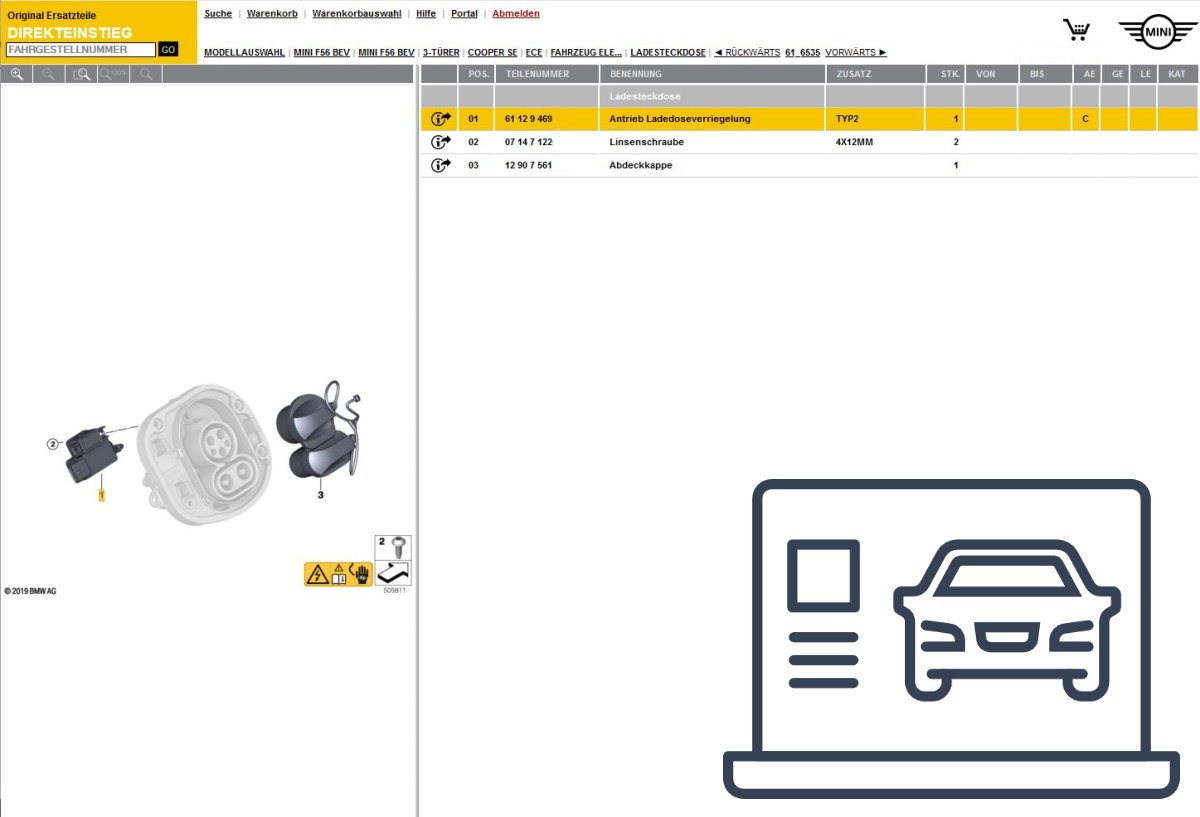
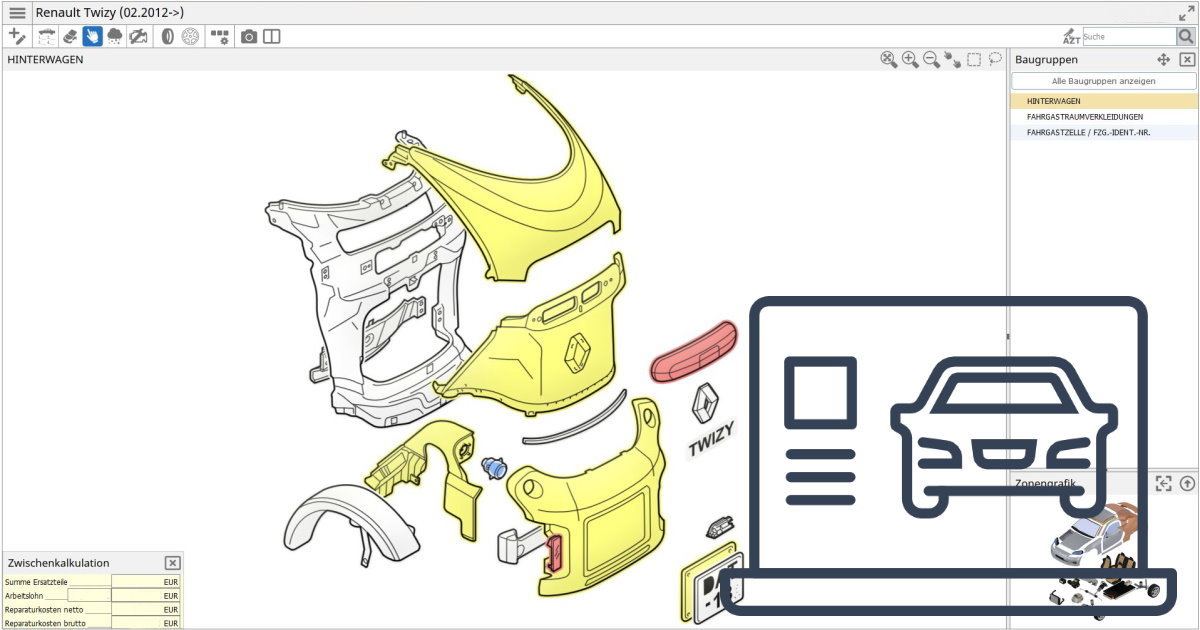
We can now also calculate bodywork damage and technical repairs using manufacturer-specific specifications and then carry out the work in a targeted, professional and proper manner.

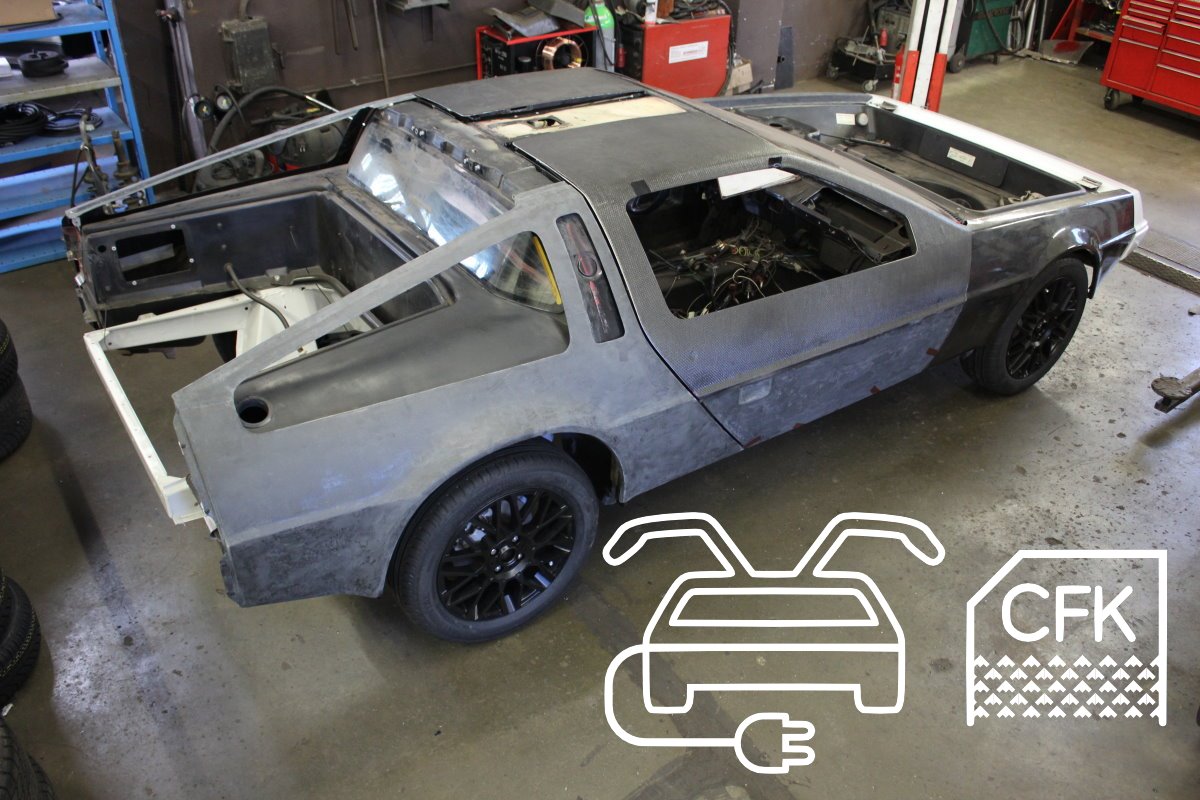
The ELEDELO is coming! We are building an electric-powered ‘Delorean’ with innovative battery technology, a carbon fibre body and countless clever little details. ‘Jugend Forscht’ for grown-ups.

Overview of the most common types of charging plugs for electric vehicles
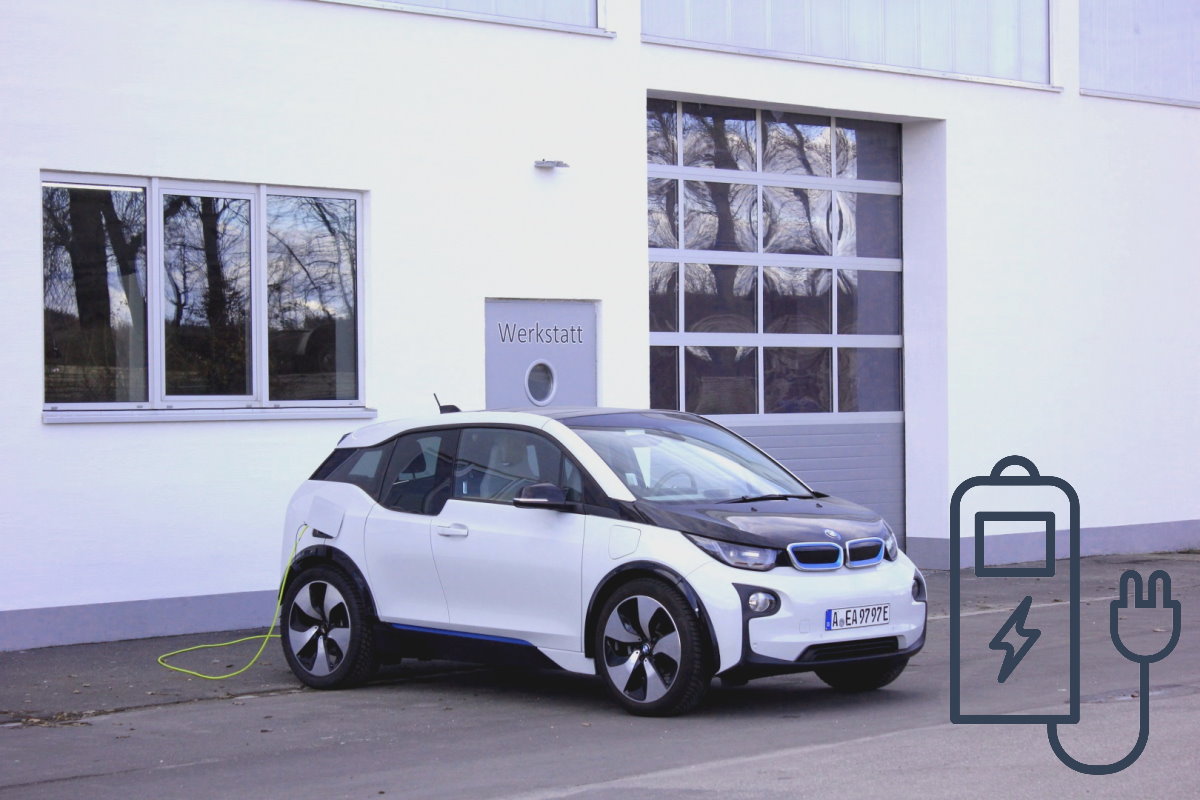
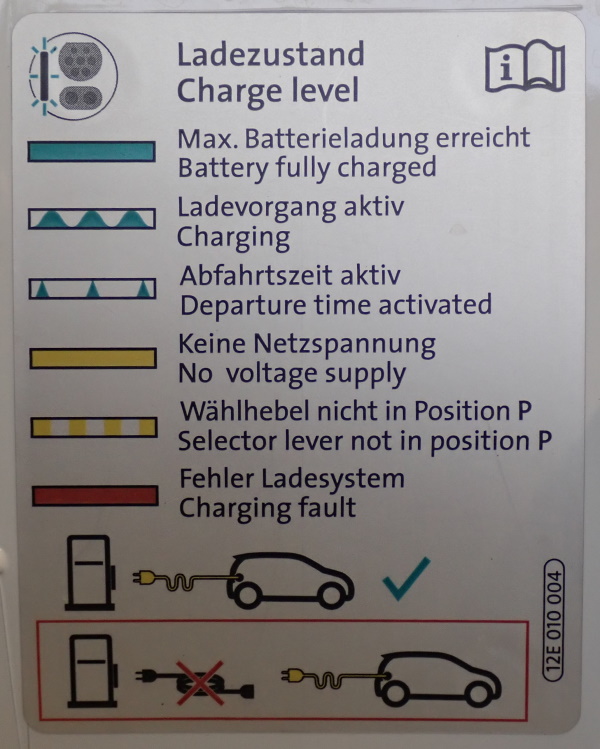
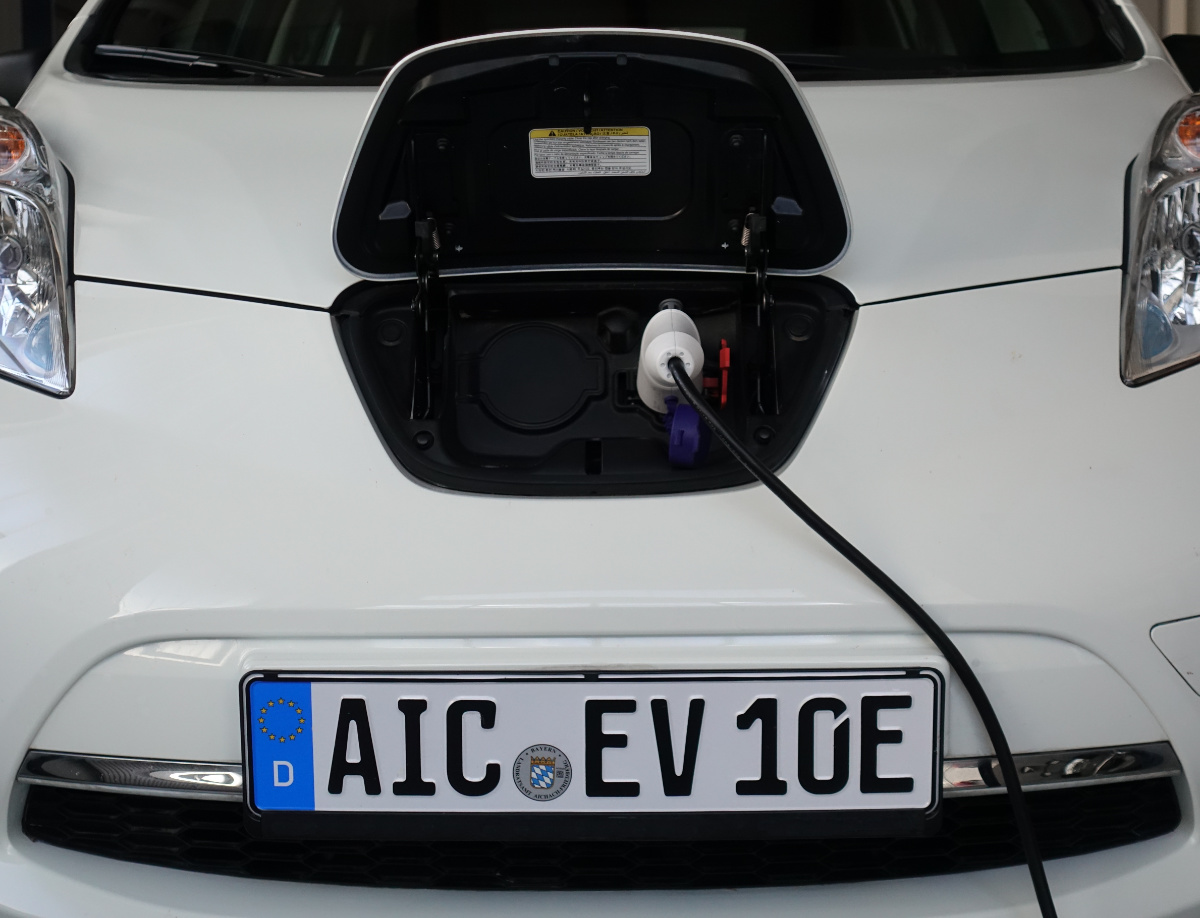
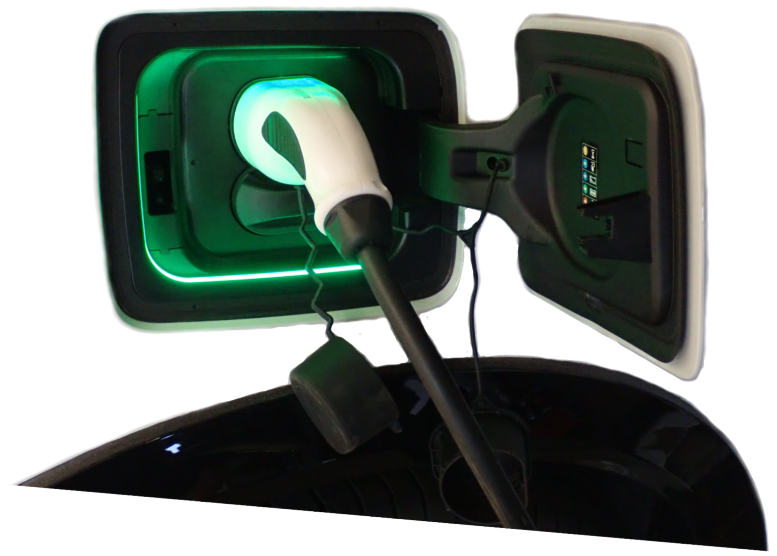
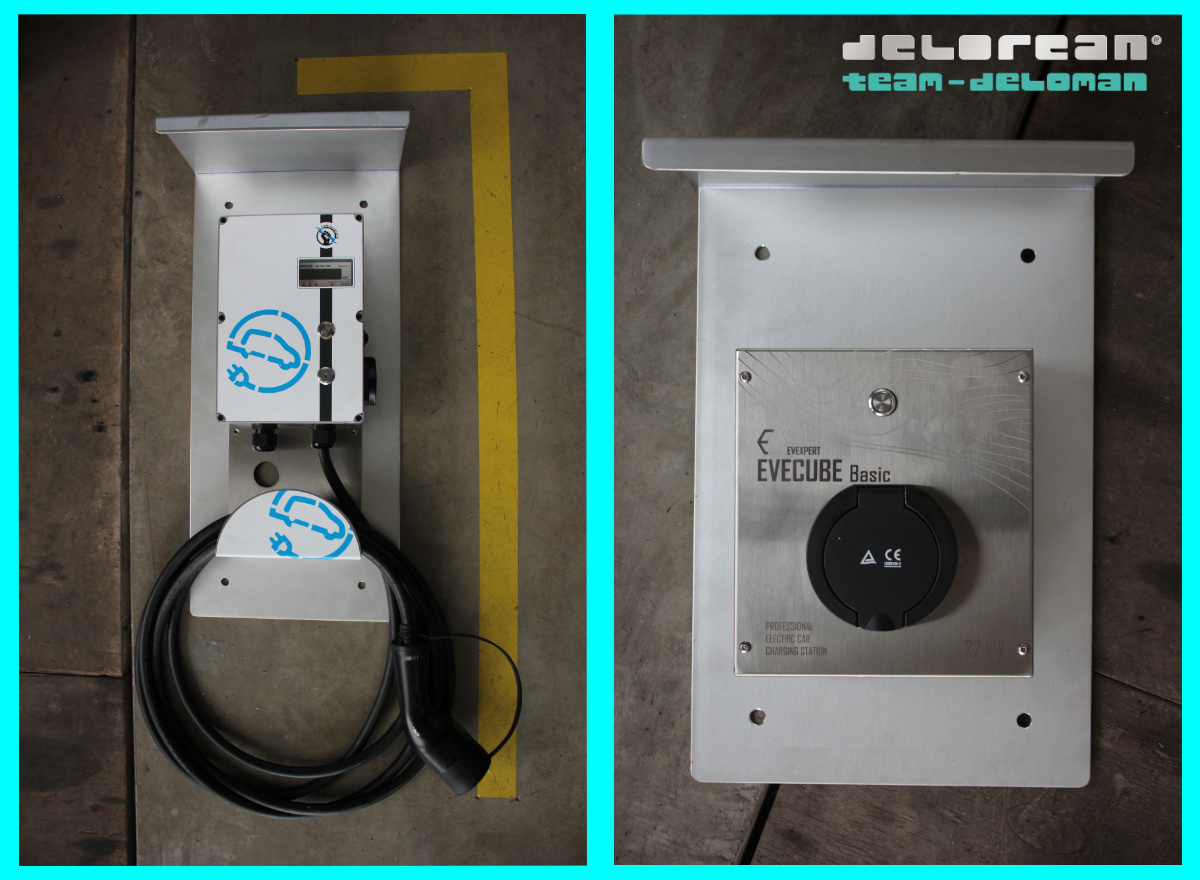
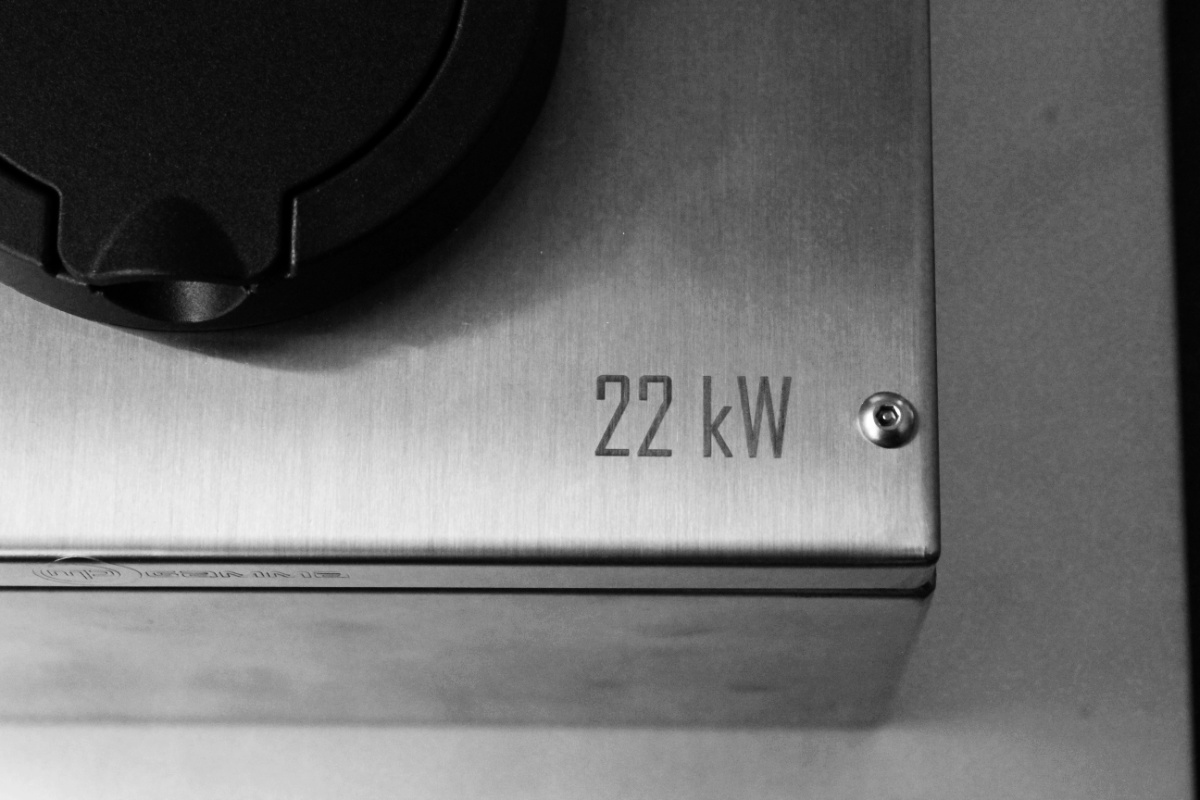
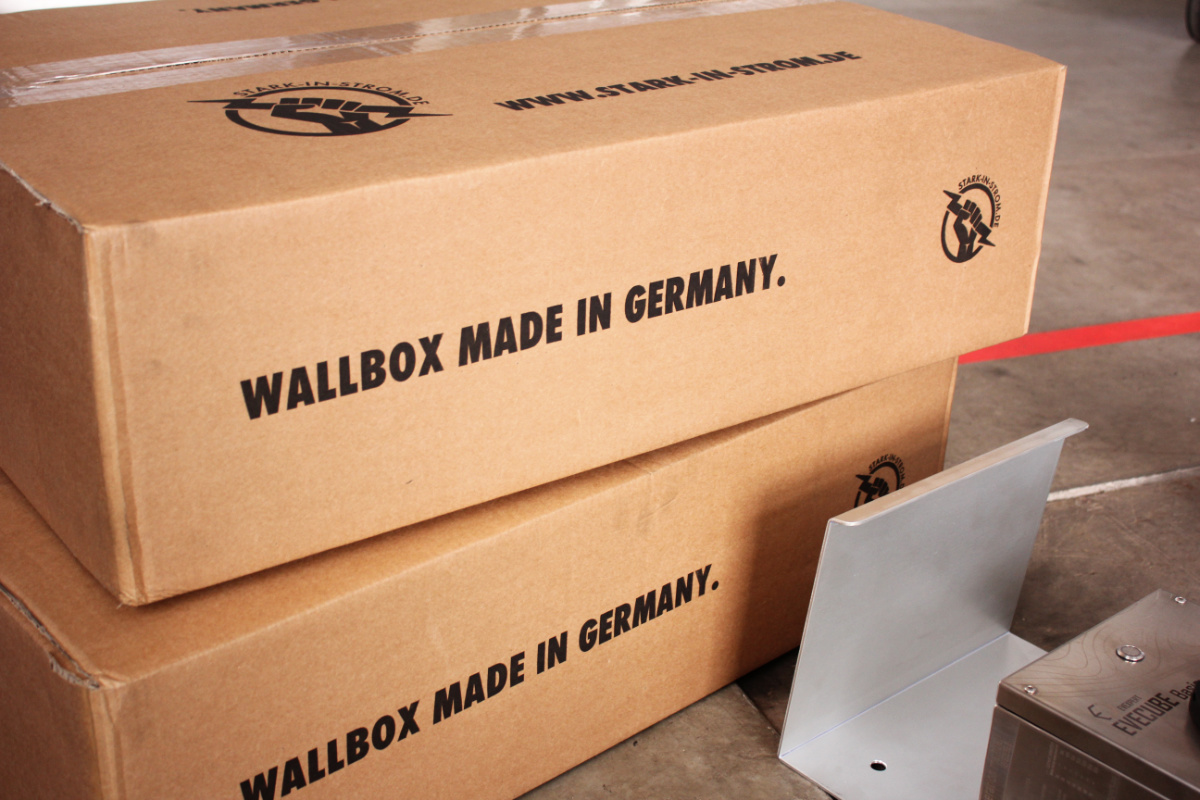
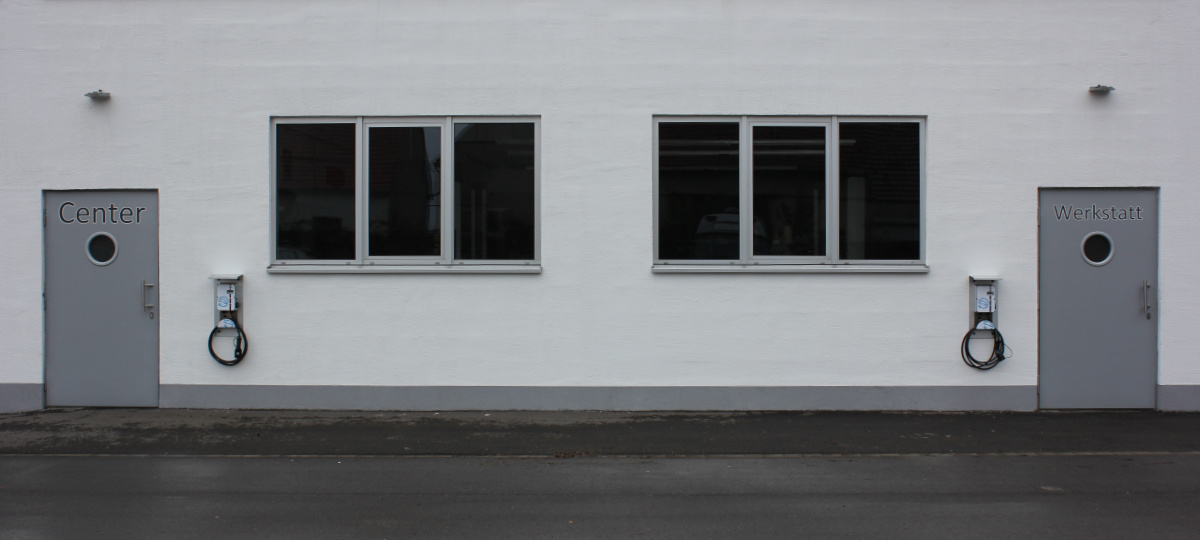
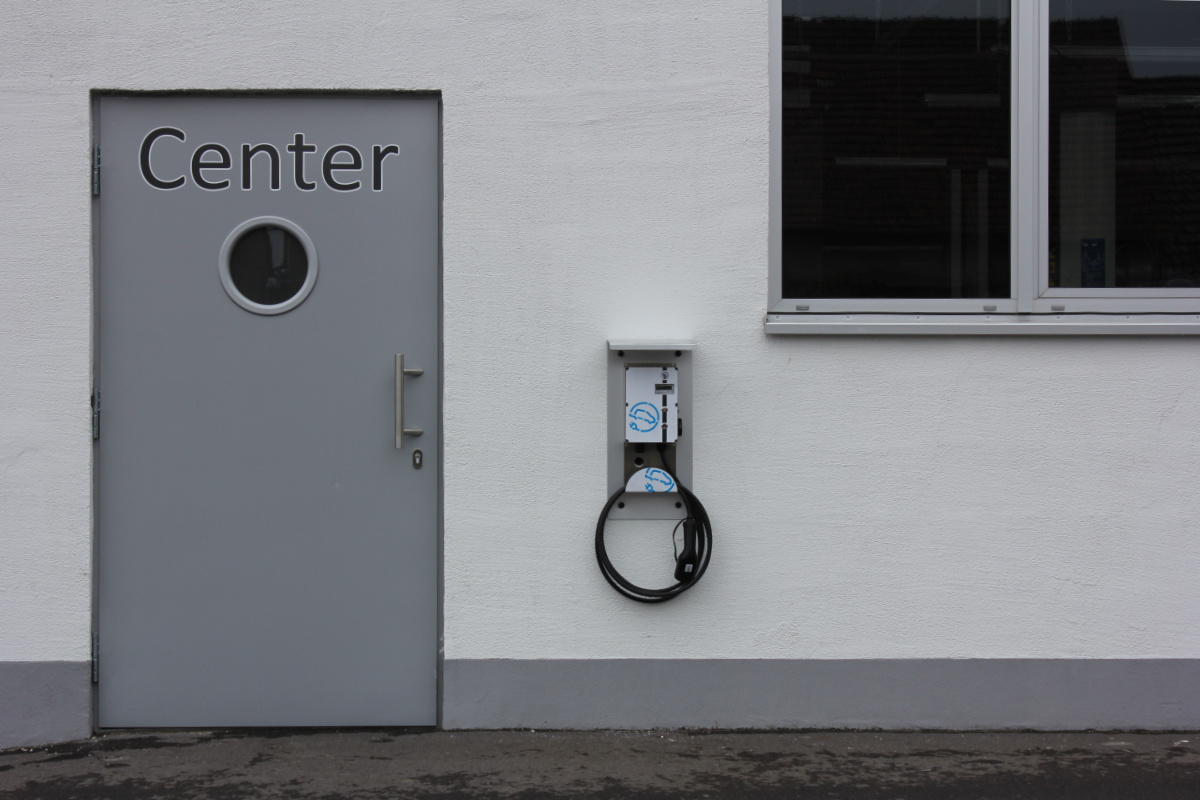
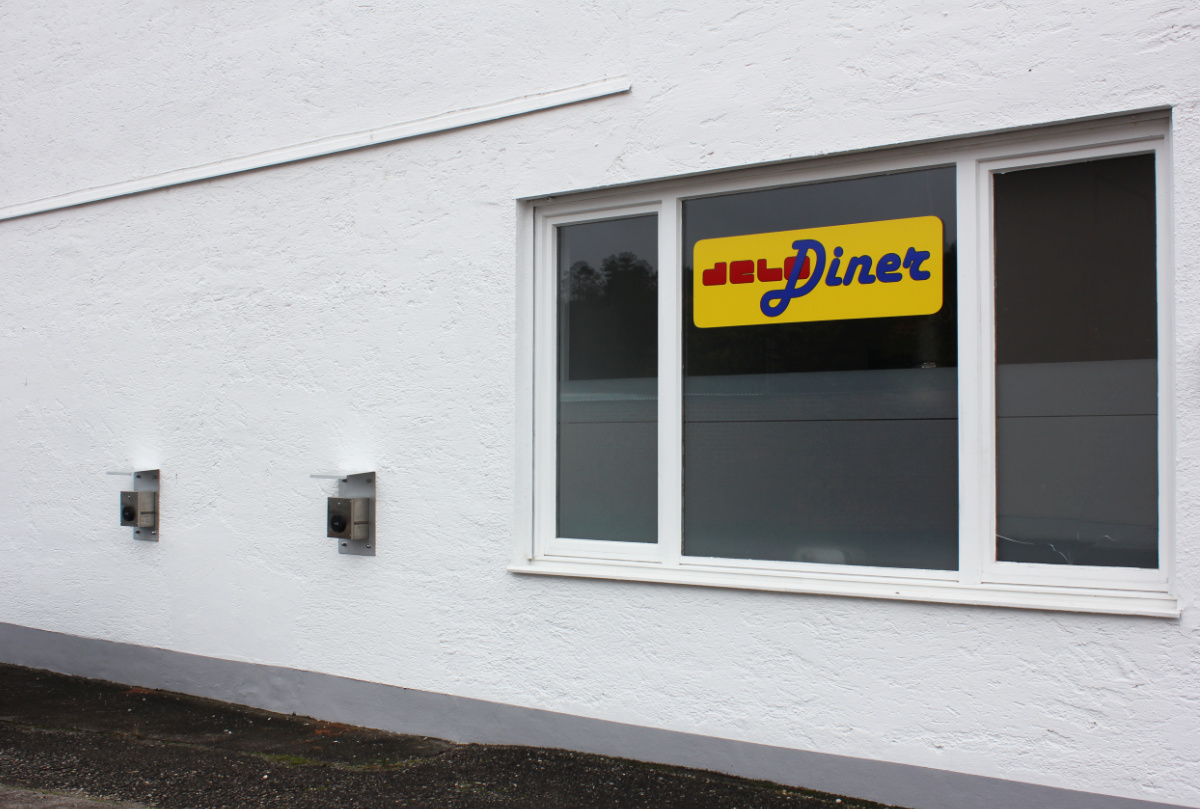
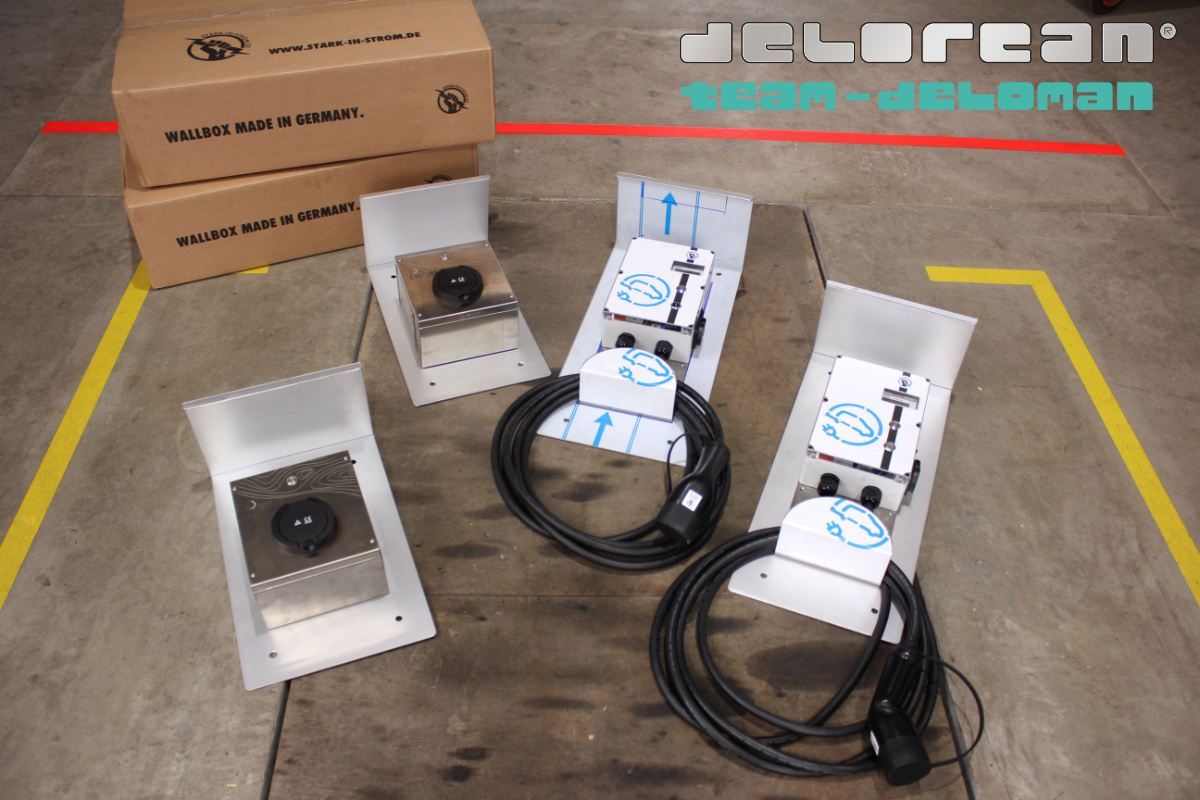 Our four new wall-mounted charging stations, known as ‘wallboxes’, have arrived and will be wired and connected by a qualified electrician next week. We have opted for two units with a permanently fitted Type 2 charging cable and two units with a Type 2 socket. Sub-meters and Type B RCDs (residual current devices) suitable for alternating current are also included in the specification of these units, as are the housing seals suitable for external wall mounting. This means that in future we will be able to charge our own vehicles outdoors without having to thread a cable through a window gap. Two of the boxes will be installed on the side of the building next to our diner and two on the front of the building, where customers’ vehicles will also be charged, ensuring they are ready for collection with a full battery. Inside the building, we already have charging facilities for Type 1 and Type 2 vehicles in the area of our high-voltage workstation.
 members only
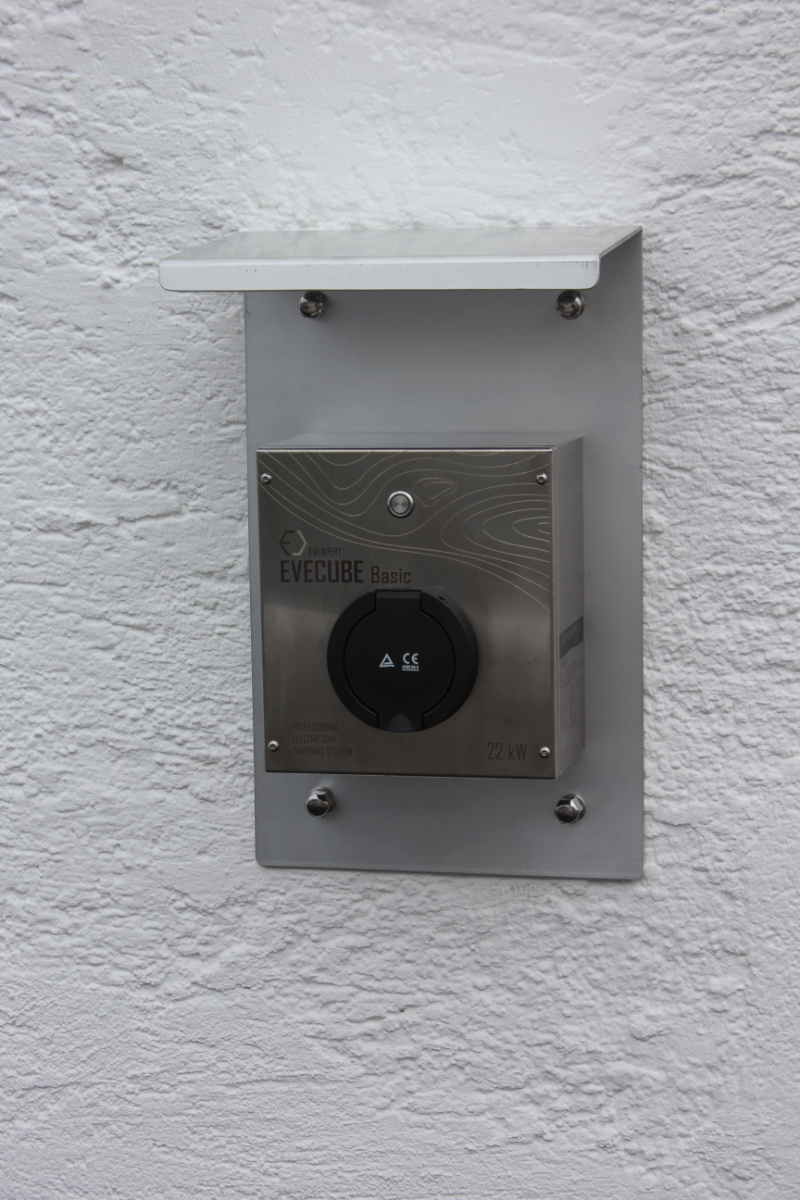 The wall brackets with a roof are made from 3mm-thick anodised aluminium and are produced in our own metal workshop. They are designed to protect against direct weather exposure.
